Thinking about a move to Madison, Georgia? If you want a place with historic character, a slower day-to-day pace, and easy access to both Lake Country and larger regional hubs, Madison is worth a serious look. Before you decide, it helps to understand what living there actually feels like, from commute patterns to downtown activity to the realities of owning a home in a historic district. Let’s dive in.
Madison at a glance
Madison is a small city in Morgan County with an estimated 5,179 residents as of July 2025, up from 4,447 in the 2020 Census. The city covers 8.78 square miles, so it feels compact and easy to learn. If you are coming from a larger metro area, that smaller scale is one of the first things you will notice.
Location is part of Madison’s appeal. Official tourism materials place it about 45 miles east of Atlanta off I-20, about 30 miles south of Athens, and about 20 minutes west of Lake Oconee. That gives you a small-town home base with practical access to work, recreation, and weekend plans.
Commute and getting around in Madison
If you are wondering about everyday convenience, Madison is largely a car-based community. The city notes that driving is the easiest way to get around, and downtown parking is free for up to two hours. That setup works well for quick errands, dining near the square, and getting in and out of town.
Workers living in Madison report a mean commute time of 17.7 minutes. That is a useful number if you are balancing a quieter lifestyle with the need to stay mobile for work, appointments, or regular trips to nearby communities.
Historic charm is a big part of life here
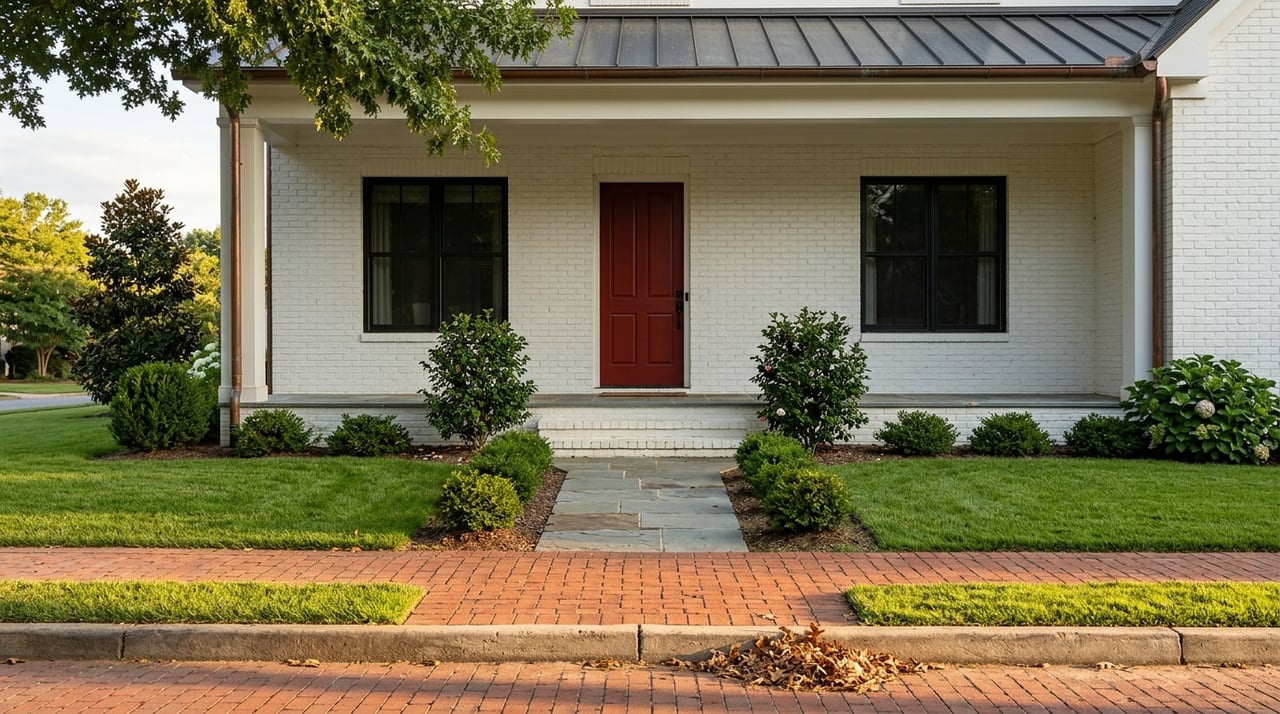
Madison is well known for its preserved historic character, and that is not just a marketing phrase. The Madison Historic District is listed in the National Register of Historic Places, and the city says its local historic district includes downtown and surrounding residential neighborhoods. If you love architecture and established streetscapes, this is one of Madison’s strongest draws.
The city’s architecture guide highlights a wide range of styles, including Folk/I-house forms, Greek Revival, Italianate, Gothic Revival, Victorian/Queen Anne, Romanesque Revival, and Folk Victorian homes. For buyers, that means Madison offers more visual variety and historic detail than many towns of similar size.
Downtown also reflects that preservation focus. Madison Main Street is designated as a Georgia Exceptional Main Street, or GEMS, which helps explain why the core of town feels intentional and well maintained.
What to know about buying in the historic district
If you are considering an older home in Madison, historic-district rules deserve your attention early in the process. The city requires design review and a Certificate of Appropriateness for exterior changes inside the historic district before permits are issued. This can apply to projects such as additions, fences, and hardscape updates.
That does not mean historic ownership is a bad fit. It simply means you should go in with clear expectations. If preserving original character sounds appealing, the extra review may feel worthwhile. If you want total flexibility with exterior changes, you will want to weigh that carefully.
Daily life in downtown Madison
Madison’s downtown is small, but it offers a surprisingly dense mix of shops and dining for a town its size. According to the official shopping guide, Madison and nearby Rutledge together have more than 200 antiques dealers, 30 boutiques, and 20 unique eateries. The downtown page also notes that eateries are located within a few blocks of the square.
For practical day-to-day needs, Farmview Market adds another useful stop. Visitor materials describe it as a place for groceries, butcher-shop items, café service, and farmers-market goods. That gives you a blend of lifestyle appeal and everyday function.
The overall feel is active, but not busy in a big-city sense. You are more likely to find a walkable downtown outing, a planned event, or a casual stop near the square than a large commercial corridor with endless options.
Events and culture shape the local lifestyle
One of Madison’s strengths is its event calendar. City and tourism pages highlight Madison Fest in spring, Firefly Festival in summer, the Holiday Tour of Homes in early December, the Holiday Parade, the city fireworks display, Shop, Sip & Stroll, and concerts and festivals centered around Town Park throughout the year.
That matters if you are choosing a town based on feel, not just home prices or commute times. In Madison, activity often comes through signature events and civic gathering spaces rather than a large entertainment district.
The cultural side of town also runs deeper than shopping and seasonal festivals. The Madison-Morgan Cultural Center, the Morgan County African-American Museum, and the Steffen Thomas Museum of Art add year-round history and arts context. If you want a place with a stronger sense of identity, that is a meaningful plus.
Madison offers access to Lake Country
For many buyers, Madison stands out because it combines town living with access to Georgia’s Lake Country. Visit Madison identifies the area as one of the core communities in the region, along with Greensboro, Eatonton, and Milledgeville. If you want to be near the lake without living directly on the water, Madison can be a smart middle ground.
The region includes nearly 800 miles of shoreline across Lake Oconee and Lake Sinclair. The tourism site also states that Lake Oconee has 55 miles of shoreline in Morgan County and is a 19,971-acre reservoir. That kind of proximity can make boating, fishing, and weekend recreation much easier to build into your routine.
Official materials note local marinas or boat ramps in Buckhead or Madison. That practical access is important if your goal is to enjoy the lake regularly while still living in a traditional town setting.
Outdoor options beyond the lake
Madison’s appeal is not limited to historic streets and lake access. Tourism pages also place the city within easy reach of Hard Labor Creek State Park, which they identify as Georgia’s second-largest state park. That gives you another option for trails, outdoor time, and casual day trips close to home.
For buyers comparing lifestyles, this is one of Madison’s more attractive combinations. You can have a town address, a preserved downtown, and convenient access to water recreation and outdoor spaces without needing to center your home search on lakefront property.
Who Madison may fit best
Madison is often a strong fit if you want preserved small-town character and regional access at the same time. Buyers who appreciate historic homes, a defined downtown, and a slower pace may feel comfortable here quickly. It can also appeal to empty nesters, retirement-minded buyers, and anyone looking for a more settled day-to-day environment.
Census data show that 24.7% of residents are age 65 and older. While every buyer’s priorities are different, that statistic helps explain why Madison may feel especially appealing to people who want a quieter rhythm and a strong sense of place.
At the same time, Madison can also work for buyers who want to stay connected to larger destinations. Atlanta, Athens, and the Lake Oconee corridor are all part of the wider lifestyle equation.
Tradeoffs to consider before you move
Every town has tradeoffs, and Madison is no exception. Its charm comes in part from its limited size, so you should not expect the scale of dining, shopping, or entertainment you would find in a larger suburb or city. That smaller footprint is part of the appeal for some buyers and a limitation for others.
A 2024 city community survey suggests residents see downtown as active but still evolving. The most common requests were for more restaurants, better traffic flow, better parking, and more shopping. That is helpful context if you are trying to picture daily life beyond a weekend visit.
Historic-district rules are the other major consideration. If you buy in an area with design review requirements, future exterior projects may involve more planning and approval than you are used to. Knowing that upfront can help you choose the right property with fewer surprises.
How to evaluate Madison as a buyer
If Madison is on your shortlist, try to assess it based on how you will actually live there. A weekend drive-through is helpful, but it will not tell you everything. Spend time around downtown, drive likely routes to work or the lake, and pay attention to whether you want a historic setting, simpler upkeep, or more flexibility with the home itself.
It also helps to narrow down your priorities early. You may want:
- A home near the historic district
- Easier access to Lake Oconee
- Lower-maintenance living
- Space for future updates
- A quiet primary residence with regional reach
The more clearly you define your version of fit, the easier it becomes to compare Madison with other Lake Country communities.
If you are weighing Madison against nearby options in the Lake Oconee area, working with a local team can make that decision much easier. S&T Real Estate offers hands-on guidance for buyers who want to understand not just the homes, but the lifestyle, location, and tradeoffs behind each move.
FAQs
What is Madison, Georgia like for everyday living?
- Madison offers a compact small-town setting, a historic downtown, free short-term downtown parking, local shops and eateries, and easy car access to nearby regional destinations.
How far is Madison, Georgia from Atlanta and Lake Oconee?
- Official tourism materials place Madison about 45 miles east of Atlanta and about 20 minutes west of Lake Oconee.
What should buyers know about Madison’s historic district?
- If you buy within the historic district, exterior changes require design review and a Certificate of Appropriateness before permits are issued.
Is Madison, Georgia good for buyers who want lake access?
- Madison can be a strong option if you want to live in town while staying close to Lake Oconee, local marinas or ramps, and the wider Lake Country region.
What are the tradeoffs of living in Madison, Georgia?
- The main tradeoffs are Madison’s smaller scale, a more limited restaurant and retail scene than larger suburbs, and added review requirements for some homes in the historic district.